 MAPS
Compose a Musical Phrase with the Fibonacci Sequence
Summary
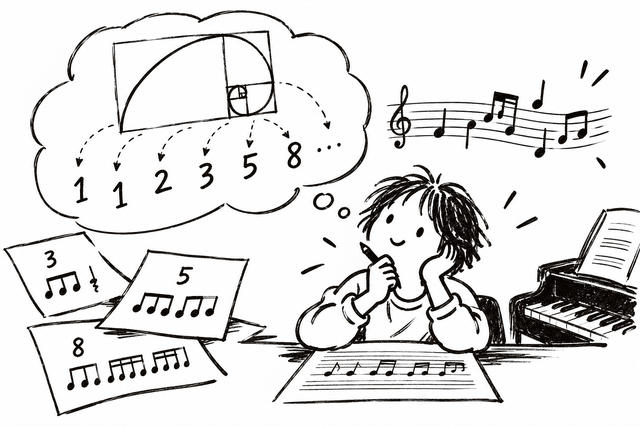
Students transform the Fibonacci sequence (1, 1, 2, 3, 5, 8, 13…) into musical composition rules, such as determining the number of pitches, phrase length, rhythmic groupings, or motif repetitions. Students select their own rules, explore musical ideas through instruments, and create short compositions that they perform, evaluate, and refine based on what they hear. This activity encourages students to explore the relationship between mathematical patterns and musical structure while recognizing that the same numerical constraints can lead to diverse musical expressions.
Procedures
- 1
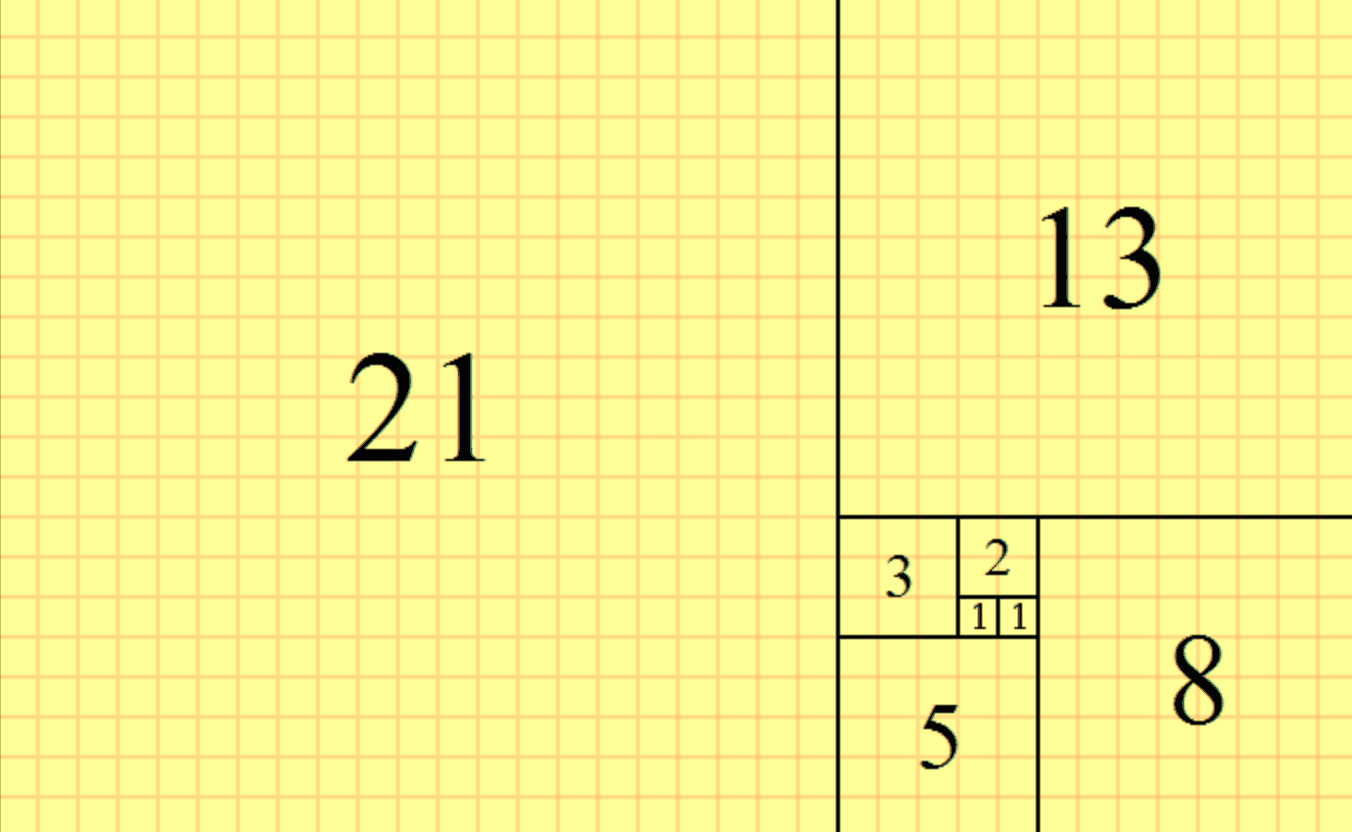
Review the Fibonacci sequence with students, for example: 1, 1, 2, 3, 5, 8, 13…
Briefly explain that each new number is created by adding the previous two numbers.
- 2
As a class, brainstorm ways Fibonacci numbers could become compositional rules. For example, they may determine:
the number of pitches used; the number of measures in a phrase; the number of beats in a rhythmic grouping; the number of repetitions of a motive; the number of sections in a piece.
- 3
Individually or in small groups, students choose two or three Fibonacci-based compositional rules. For example:
use only 5 pitches; create an 8-measure phrase; organize rhythm in a 3 + 5 grouping; repeat a musical motive 3 times.
- 4
Students experiment freely on piano, keyboard, xylophone, bells, or another available instrument to discover pitches, rhythms, or motives that work within their chosen rules.
- 5
Using the selected rules, students compose a short musical phrase. They may record it with staff notation, graphic notation, notation software, or by performing and recording their ideas.
- 6
After completing a first draft, students perform and listen to the phrase to check whether it actually follows the Fibonacci rules they established.
- 7
Ask students to identify: Which parts were determined by the numerical rules, and which parts were artistic choices? For example, two students using the same “5-pitch” rule may create very different melodies.
- 8
Revise the composition based on how it sounds. Students should consider not only whether the mathematics is correct, but also whether the phrase feels complete, directional, balanced, repetitive, or contrasting.
- 9
Students or groups perform their finished phrases for the class and briefly explain which Fibonacci rules they used and how those rules influenced the musical result.
Variations
1. One-Rule Version: For beginning composers, use only one compositional constraint, such as five pitches or an eight-measure phrase, while leaving all other musical decisions open.
2. Question-and-Answer Extension: Create two related phrases, one functioning as a musical question and the other as an answer, while preserving the same or related Fibonacci structure.
3. Harmony Extension: Add a second part or simple harmony to the original melody while continuing to use Fibonacci numbers to control interval choices, repetitions, or phrase length.
4. Improvisation Version: Skip notation and improvise directly from Fibonacci rules, for example by creating short phrases containing 2, 3, 5, and 8 notes in sequence.
Activity Preparation
1. Keyboard, xylophone, bells, or another pitched instrument
2. Staff paper or music notation software
3. A visible copy of the Fibonacci sequence
4. Students should understand basic rhythm, pitch, and musical phrase structure
5. Students should have a basic understanding of the Fibonacci sequence
6. Optional: calculators or math practice materials
Activity Sources
- Source Type:
- Website / Online resource
- Source:
- Adapted from The Kennedy Center classroom resource Making Fibonacci Sequence Music, Grades 9–12. https://www.kennedy-center.org/education/resources-for-educators/classroom-resources/lessons-and-activities/lessons/9-12/making-fibonacci-sequence-music/
- Adaptation Notes:
- The original Kennedy Center lesson combines mathematics instruction, musical analysis, composition, performance, and a jam session. This activity extracts the composition section and reorganizes it as a stand-alone classroom activity centered on using Fibonacci numbers as compositional constraints. The mathematical preparation and analysis sections have been shortened so that the musical creative process remains the primary focus.
MAPS teaching activities may come from a variety of sources, including original contributions by the MAPS team, online resources, published materials, activities learned from teachers, activities shared by colleagues, traditional teaching practices, and other sources. When a source can be reasonably identified, we make every effort to acknowledge it on the relevant activity page or in the accompanying reference information.
Some content may be organized, translated, structured, or adapted by the MAPS team for specific teaching contexts. Such editorial or instructional adaptation does not mean that MAPS claims ownership of the underlying third-party material. Rights to third-party content remain with the original authors, publishers, or other lawful rights holders.
If you are an author, copyright holder, or authorized representative and have questions or concerns regarding the source, attribution, or use of any content, please contact us:
Email: musicactivityps@gmail.com
Compose a Musical Phrase with the Fibonacci Sequence
Summary
Students transform the Fibonacci sequence (1, 1, 2, 3, 5, 8, 13…) into musical composition rules, such as determining the number of pitches, phrase length, rhythmic groupings, or motif repetitions. Students select their own rules, explore musical ideas through instruments, and create short compositions that they perform, evaluate, and refine based on what they hear. This activity encourages students to explore the relationship between mathematical patterns and musical structure while recognizing that the same numerical constraints can lead to diverse musical expressions.
Procedures
- 1
Review the Fibonacci sequence with students, for example: 1, 1, 2, 3, 5, 8, 13…
Briefly explain that each new number is created by adding the previous two numbers.
- 2
As a class, brainstorm ways Fibonacci numbers could become compositional rules. For example, they may determine:
the number of pitches used; the number of measures in a phrase; the number of beats in a rhythmic grouping; the number of repetitions of a motive; the number of sections in a piece.
- 3
Individually or in small groups, students choose two or three Fibonacci-based compositional rules. For example:
use only 5 pitches; create an 8-measure phrase; organize rhythm in a 3 + 5 grouping; repeat a musical motive 3 times.
- 4
Students experiment freely on piano, keyboard, xylophone, bells, or another available instrument to discover pitches, rhythms, or motives that work within their chosen rules.
- 5
Using the selected rules, students compose a short musical phrase. They may record it with staff notation, graphic notation, notation software, or by performing and recording their ideas.
- 6
After completing a first draft, students perform and listen to the phrase to check whether it actually follows the Fibonacci rules they established.
- 7
Ask students to identify: Which parts were determined by the numerical rules, and which parts were artistic choices? For example, two students using the same “5-pitch” rule may create very different melodies.
- 8
Revise the composition based on how it sounds. Students should consider not only whether the mathematics is correct, but also whether the phrase feels complete, directional, balanced, repetitive, or contrasting.
- 9
Students or groups perform their finished phrases for the class and briefly explain which Fibonacci rules they used and how those rules influenced the musical result.
Variations
1. One-Rule Version: For beginning composers, use only one compositional constraint, such as five pitches or an eight-measure phrase, while leaving all other musical decisions open.
2. Question-and-Answer Extension: Create two related phrases, one functioning as a musical question and the other as an answer, while preserving the same or related Fibonacci structure.
3. Harmony Extension: Add a second part or simple harmony to the original melody while continuing to use Fibonacci numbers to control interval choices, repetitions, or phrase length.
4. Improvisation Version: Skip notation and improvise directly from Fibonacci rules, for example by creating short phrases containing 2, 3, 5, and 8 notes in sequence.
Activity Preparation
1. Keyboard, xylophone, bells, or another pitched instrument
2. Staff paper or music notation software
3. A visible copy of the Fibonacci sequence
4. Students should understand basic rhythm, pitch, and musical phrase structure
5. Students should have a basic understanding of the Fibonacci sequence
6. Optional: calculators or math practice materials
Activity Sources
- Source Type:
- Website / Online resource
- Source:
- Adapted from The Kennedy Center classroom resource Making Fibonacci Sequence Music, Grades 9–12. https://www.kennedy-center.org/education/resources-for-educators/classroom-resources/lessons-and-activities/lessons/9-12/making-fibonacci-sequence-music/
- Adaptation Notes:
- The original Kennedy Center lesson combines mathematics instruction, musical analysis, composition, performance, and a jam session. This activity extracts the composition section and reorganizes it as a stand-alone classroom activity centered on using Fibonacci numbers as compositional constraints. The mathematical preparation and analysis sections have been shortened so that the musical creative process remains the primary focus.
MAPS teaching activities may come from a variety of sources, including original contributions by the MAPS team, online resources, published materials, activities learned from teachers, activities shared by colleagues, traditional teaching practices, and other sources. When a source can be reasonably identified, we make every effort to acknowledge it on the relevant activity page or in the accompanying reference information.
Some content may be organized, translated, structured, or adapted by the MAPS team for specific teaching contexts. Such editorial or instructional adaptation does not mean that MAPS claims ownership of the underlying third-party material. Rights to third-party content remain with the original authors, publishers, or other lawful rights holders.
If you are an author, copyright holder, or authorized representative and have questions or concerns regarding the source, attribution, or use of any content, please contact us:
Email: musicactivityps@gmail.com