 MAPS
Rhythmic Cake
Summary
Students "assemble a cake" using notes and rests to create a four-beat measure; through this hands-on activity, they discover how to combine note values to fill the measure and how rests provide musical "breathing space."
Procedures
- 1
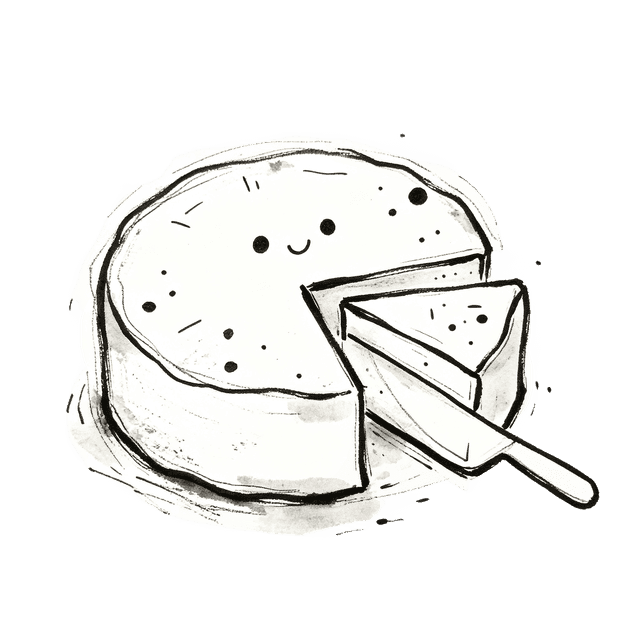
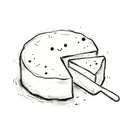
Compare note values with a cake: the teacher shows a whole cake cut into halves, quarters, and eighths while playing whole, half, quarter, and eighth notes.
- 2
Each group will receive one set of "Cake Puzzle" (whole, half, quarter, eighth notes and their matching rests) and a four-beat measure frame.
- 3
Fill a measure exactly: pairs place pieces until all four beats are covered, then read the completed measure aloud with note-value syllables.
- 4
Recompose the measure once, ensuring that it contains at least one rest, and discuss how this rest alters the auditory perception of the measure.
- 5
Work Demonstration: Attach each completed "cake" to the perimeter of the classroom; students then take turns walking around the room, using their bodies to "hit" out the beats of their respective phrases, and verify that each phrase consists of exactly four beats.
- 6
Composing corner: each pair writes one original four-beat measure and performs it for the class, explaining where the rests are and why.
Variations
1. Classroom Management: Avoiding disputes over puzzle pieces within groups that may disrupt classroom discipline
2. Difficulty Adjustments: Easier—use only quarter notes and quarter rests in a two-beat frame; harder—use a three-four measure, tie notes together, or forbid repeated rhythms.
Activity Preparation
1. Magnetic or laminated note/rest puzzle pieces;
2. measuring frames;
3. a piano or tone source;
4. a small treat for the cake demonstration。
Activity Sources
- Source Type:
- Website / Online resource
- Source:
- https://zy.21cnjy.com/7512301) Referenced: the "cut-the-cake" demonstration of note values, the note-value figure chart (which value is longest, which is its half), and composing simple measures with notes and rests.
- Adaptation Notes:
- Adapted from two published Grade 3 lesson plans: the cake-fraction and value-chart ideas are turned into a hands-on puzzle workshop where filling a measure becomes a physical task.
MAPS teaching activities may come from a variety of sources, including original contributions by the MAPS team, online resources, published materials, activities learned from teachers, activities shared by colleagues, traditional teaching practices, and other sources. When a source can be reasonably identified, we make every effort to acknowledge it on the relevant activity page or in the accompanying reference information.
Some content may be organized, translated, structured, or adapted by the MAPS team for specific teaching contexts. Such editorial or instructional adaptation does not mean that MAPS claims ownership of the underlying third-party material. Rights to third-party content remain with the original authors, publishers, or other lawful rights holders.
If you are an author, copyright holder, or authorized representative and have questions or concerns regarding the source, attribution, or use of any content, please contact us:
Email: musicactivityps@gmail.com
Rhythmic Cake
Summary
Students "assemble a cake" using notes and rests to create a four-beat measure; through this hands-on activity, they discover how to combine note values to fill the measure and how rests provide musical "breathing space."
Procedures
- 1
Compare note values with a cake: the teacher shows a whole cake cut into halves, quarters, and eighths while playing whole, half, quarter, and eighth notes.
- 2
Each group will receive one set of "Cake Puzzle" (whole, half, quarter, eighth notes and their matching rests) and a four-beat measure frame.
- 3
Fill a measure exactly: pairs place pieces until all four beats are covered, then read the completed measure aloud with note-value syllables.
- 4
Recompose the measure once, ensuring that it contains at least one rest, and discuss how this rest alters the auditory perception of the measure.
- 5
Work Demonstration: Attach each completed "cake" to the perimeter of the classroom; students then take turns walking around the room, using their bodies to "hit" out the beats of their respective phrases, and verify that each phrase consists of exactly four beats.
- 6
Composing corner: each pair writes one original four-beat measure and performs it for the class, explaining where the rests are and why.
Variations
1. Classroom Management: Avoiding disputes over puzzle pieces within groups that may disrupt classroom discipline
2. Difficulty Adjustments: Easier—use only quarter notes and quarter rests in a two-beat frame; harder—use a three-four measure, tie notes together, or forbid repeated rhythms.
Activity Preparation
1. Magnetic or laminated note/rest puzzle pieces;
2. measuring frames;
3. a piano or tone source;
4. a small treat for the cake demonstration。
Activity Sources
- Source Type:
- Website / Online resource
- Source:
- https://zy.21cnjy.com/7512301) Referenced: the "cut-the-cake" demonstration of note values, the note-value figure chart (which value is longest, which is its half), and composing simple measures with notes and rests.
- Adaptation Notes:
- Adapted from two published Grade 3 lesson plans: the cake-fraction and value-chart ideas are turned into a hands-on puzzle workshop where filling a measure becomes a physical task.
MAPS teaching activities may come from a variety of sources, including original contributions by the MAPS team, online resources, published materials, activities learned from teachers, activities shared by colleagues, traditional teaching practices, and other sources. When a source can be reasonably identified, we make every effort to acknowledge it on the relevant activity page or in the accompanying reference information.
Some content may be organized, translated, structured, or adapted by the MAPS team for specific teaching contexts. Such editorial or instructional adaptation does not mean that MAPS claims ownership of the underlying third-party material. Rights to third-party content remain with the original authors, publishers, or other lawful rights holders.
If you are an author, copyright holder, or authorized representative and have questions or concerns regarding the source, attribution, or use of any content, please contact us:
Email: musicactivityps@gmail.com