MAPS
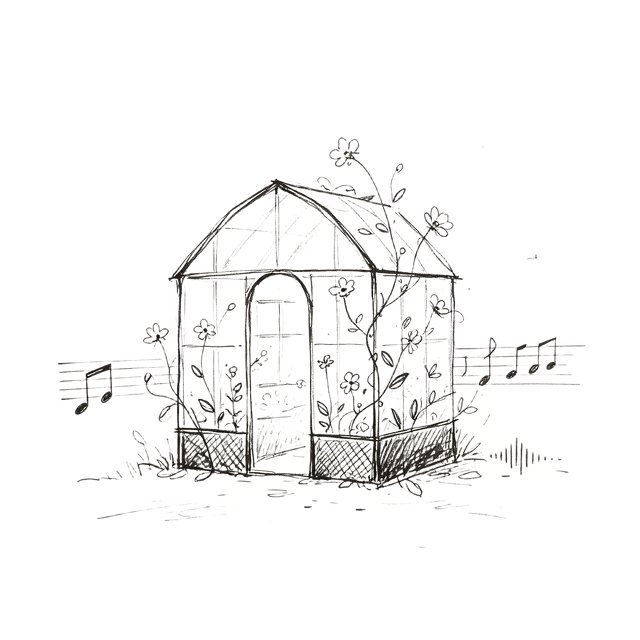
Vowel Flower House
Summary
This activity helps students develop consistent vowel formation such as lip trill, huming, and pentatonic scale to blended choral tone through vocal warm-ups, gestures, peer observation, and group listening. Students then transfer unified vowel shapes and tone quality from isolated exercises to melodies and songs, strengthening overall ensemble blend and vocal consistency.
Procedures
- 1
Warm the voice with gentle lip trills and humming on a five-note ascending and descending scale, keeping the jaw loose and the breath flowing.
- 2
The teacher models the five pure vowels (a, e, i, o, u) as a slow "blooming flower" hand gesture, and students mirror the shape with their hands while singing each vowel on one comfortable pitch.
- 3
The teacher demonstrates the correct mouth shape for singing firstly (emphasizing that regardless of the vowel used, the oral cavity should remain open; the mouth shape should not be arbitrarily altered when switching vowels). Next, students work in pairs: one person sings a vowel while their partner observes the mouth shape and provides encouraging positive reinforcement or gentle mouth shape cues.
- 4
The class sings a short two-phrase melody on a single vowel first, then transfers the same unified shape to a simple Chinese folk song or warm-up canon text.
- 5
Groups take turns singing the phrase on one assigned vowel while the rest of the class listens for a rounded, unified tone and raises a hand if the sound blends.
- 6
To close, the choir sings the phrase once with text, focusing on matching vowel color rather than volume, and students name one vowel that felt easiest to blend.
Activity Preparation
1.Piano or pitch pipe;
2. Vowel hand-shape poster;
3. Short warm-up melody or folk song excerpt.
Activity Sources
- Source Type:
- Learned from a teacher
- Source:
- China Choral Association / 中国合唱协会 — Children's Choir Vocal Training Guidelines
- Adaptation Notes:
- The original choral drill is condensed into a 15-minute classroom segment with a partner-check step, so it fits a regular music lesson without a full rehearsal block.
MAPS teaching activities may come from a variety of sources, including original contributions by the MAPS team, online resources, published materials, activities learned from teachers, activities shared by colleagues, traditional teaching practices, and other sources. When a source can be reasonably identified, we make every effort to acknowledge it on the relevant activity page or in the accompanying reference information.
Some content may be organized, translated, structured, or adapted by the MAPS team for specific teaching contexts. Such editorial or instructional adaptation does not mean that MAPS claims ownership of the underlying third-party material. Rights to third-party content remain with the original authors, publishers, or other lawful rights holders.
If you are an author, copyright holder, or authorized representative and have questions or concerns regarding the source, attribution, or use of any content, please contact us:
Email: musicactivityps@gmail.com
Vowel Flower House
Summary
This activity helps students develop consistent vowel formation such as lip trill, huming, and pentatonic scale to blended choral tone through vocal warm-ups, gestures, peer observation, and group listening. Students then transfer unified vowel shapes and tone quality from isolated exercises to melodies and songs, strengthening overall ensemble blend and vocal consistency.
Procedures
- 1
Warm the voice with gentle lip trills and humming on a five-note ascending and descending scale, keeping the jaw loose and the breath flowing.
- 2
The teacher models the five pure vowels (a, e, i, o, u) as a slow "blooming flower" hand gesture, and students mirror the shape with their hands while singing each vowel on one comfortable pitch.
- 3
The teacher demonstrates the correct mouth shape for singing firstly (emphasizing that regardless of the vowel used, the oral cavity should remain open; the mouth shape should not be arbitrarily altered when switching vowels). Next, students work in pairs: one person sings a vowel while their partner observes the mouth shape and provides encouraging positive reinforcement or gentle mouth shape cues.
- 4
The class sings a short two-phrase melody on a single vowel first, then transfers the same unified shape to a simple Chinese folk song or warm-up canon text.
- 5
Groups take turns singing the phrase on one assigned vowel while the rest of the class listens for a rounded, unified tone and raises a hand if the sound blends.
- 6
To close, the choir sings the phrase once with text, focusing on matching vowel color rather than volume, and students name one vowel that felt easiest to blend.
Activity Preparation
1.Piano or pitch pipe;
2. Vowel hand-shape poster;
3. Short warm-up melody or folk song excerpt.
Activity Sources
- Source Type:
- Learned from a teacher
- Source:
- China Choral Association / 中国合唱协会 — Children's Choir Vocal Training Guidelines
- Adaptation Notes:
- The original choral drill is condensed into a 15-minute classroom segment with a partner-check step, so it fits a regular music lesson without a full rehearsal block.
MAPS teaching activities may come from a variety of sources, including original contributions by the MAPS team, online resources, published materials, activities learned from teachers, activities shared by colleagues, traditional teaching practices, and other sources. When a source can be reasonably identified, we make every effort to acknowledge it on the relevant activity page or in the accompanying reference information.
Some content may be organized, translated, structured, or adapted by the MAPS team for specific teaching contexts. Such editorial or instructional adaptation does not mean that MAPS claims ownership of the underlying third-party material. Rights to third-party content remain with the original authors, publishers, or other lawful rights holders.
If you are an author, copyright holder, or authorized representative and have questions or concerns regarding the source, attribution, or use of any content, please contact us:
Email: musicactivityps@gmail.com