 MAPS
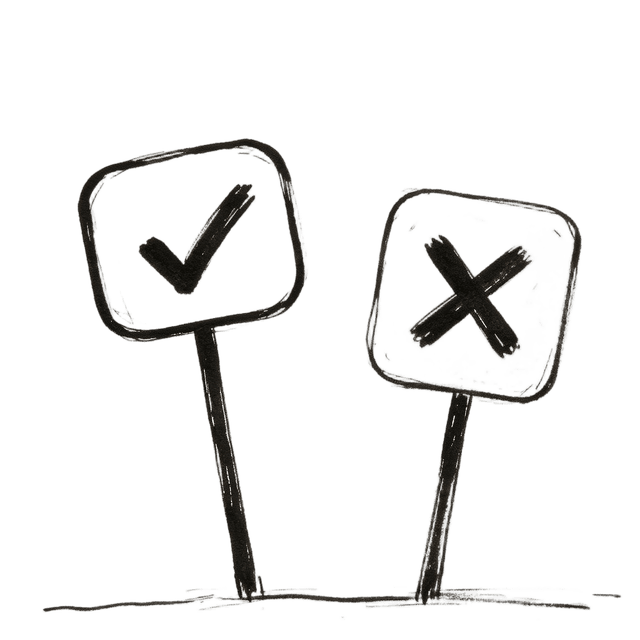
YES or NO
Summary
Students reinforce their understanding of solfège syllables (do–re–mi–fa–sol–la–ti), note names (C–D–E–F–G–A–B), and common musical symbols (such as sharps, flats, ties, rests, and repeat signs) through a closed-question guessing game in which all questions must be answered with only YES or NO. The clue-giver secretly selects a target concept, while the guessers ask questions freely. The clue-giver may respond only with YES or NO and may not provide any additional explanation or hints. The activity progresses through several challenge levels—from whole-class guessing, to small-group competitions, and finally to partner head-to-head rounds. It can be used both to review and reinforce musical concepts and to develop students’ logical reasoning and ability to integrate musical knowledge.
Procedures
- 1
The teacher plays simple, rhythmically engaging music and leads students in a brief warm-up activity to capture their attention and help them focus. The teacher then quickly displays flashcards to review solfège syllables, note names, and common musical symbols, clearly introducing the three main categories of possible answers.
- 2
The teacher explains the game rules in full: the clue-giver secretly chooses a musical target from one of the three categories—solfège syllable, note name, or musical symbol. The guesser asks questions to gather information, while the clue-giver may respond only with “YES” or “NO” and may not provide any additional explanation or hints. Once the target is guessed correctly, the players switch roles. The teacher also reinforces classroom expectations: no peeking at cards, no calling out answers, and careful listening to classmates’ questions.
- 3
For the first demonstration round, the teacher acts as the clue-giver and secretly selects a musical target, while the whole class serves as the guessing team. The teacher models an effective questioning strategy—first identifying the broad category (“Is it a solfège syllable?” “Is it a note name?” “Is it a musical symbol?”), then gradually narrowing the possibilities (“Is it a sharp?” “Does it mean silence?”). After the round, the class briefly reflects on which questions were efficient and which were too broad.
- 4
Level 1 – Whole-Class Guessing (about 6 minutes): The teacher continues as the clue-giver while students take turns raising their hands to ask questions. The teacher responds only with YES or NO. Basic solfège syllables and note names are used first to support students who need more practice.
- 5
Level 2 – Team Challenge (about 6 minutes): Divide the class into two large teams. Team A selects one clue-giver, who secretly chooses a target. Members of Team B take turns asking questions, while Team A responds only with YES or NO. A correct guess earns one point, after which the teams switch roles. More challenging musical symbols, such as ties and repeat signs, may be introduced at this level.
- 6
Level 3 – Partner Challenge (about 6 minutes): Students work in pairs. One student secretly chooses a solfège syllable, note name, or musical symbol as the target, while the partner asks YES/NO questions to identify it. Once the target is guessed correctly, the students immediately switch roles. The teacher circulates around the classroom, reinforcing the “YES/NO only” rule and correcting any instances of extra hints or explanations.
- 7
If time allows, a few instrument names or music-related brain teasers may be added as an extension. For more advanced classes, an additional challenge rule may be introduced: after every three questions, the guesser must correctly say one solfège syllable before continuing.
- 8
To conclude the activity, the teacher reviews the solfège syllable, note names, and musical symbols practiced during the lesson and recognizes students who followed the rules carefully and demonstrated active reasoning.
Variations
1.Classroom Management: During team competitions, remind students to discuss quietly to avoid distracting other groups. During partner rounds, ensure that both students take turns serving as the clue-giver and the guesser so that one student does not dominate the activity. The teacher should closely monitor the “YES/NO only” rule and remind clue-givers not to unintentionally reveal the answer through facial expressions, gestures, or tone of voice.
2.Difficulty Adjustments:
(1)To lower the difficulty, limit the possible answers to solfège syllables and note names, reducing interference from musical symbols. The clue-giver may also be allowed to provide subtle vocal cues, such as using a slightly rising intonation when the guesser is close to the correct answer.
(2)To increase the difficulty, introduce additional categories such as instrument names and tempo terms (e.g., allegro, andante), or set a maximum number of questions, such as ten, to encourage more efficient questioning.
3. Extensions: The game can be adapted to rhythm concepts (e.g., “Is it a quarter note?” “Is it a rest?”) or used to review broader music knowledge, such as composers, instrument timbres, and other music-related concepts.
Activity Preparation
Solfège cards (do–re–mi–fa–sol–la–ti), letter-name cards (C–D–E–F–G–A–B), musical symbol cards (sharp, flat, tie, rest, repeat sign, etc.); seating arranged in small groups or pairs for easy discussion; whiteboard or PPT displaying the three answer categories as a visual reference for students.
Activity Sources
- Source Type:
- MAPS Original
MAPS teaching activities may come from a variety of sources, including original contributions by the MAPS team, online resources, published materials, activities learned from teachers, activities shared by colleagues, traditional teaching practices, and other sources. When a source can be reasonably identified, we make every effort to acknowledge it on the relevant activity page or in the accompanying reference information.
Some content may be organized, translated, structured, or adapted by the MAPS team for specific teaching contexts. Such editorial or instructional adaptation does not mean that MAPS claims ownership of the underlying third-party material. Rights to third-party content remain with the original authors, publishers, or other lawful rights holders.
If you are an author, copyright holder, or authorized representative and have questions or concerns regarding the source, attribution, or use of any content, please contact us:
Email: musicactivityps@gmail.com
YES or NO
Summary
Students reinforce their understanding of solfège syllables (do–re–mi–fa–sol–la–ti), note names (C–D–E–F–G–A–B), and common musical symbols (such as sharps, flats, ties, rests, and repeat signs) through a closed-question guessing game in which all questions must be answered with only YES or NO. The clue-giver secretly selects a target concept, while the guessers ask questions freely. The clue-giver may respond only with YES or NO and may not provide any additional explanation or hints. The activity progresses through several challenge levels—from whole-class guessing, to small-group competitions, and finally to partner head-to-head rounds. It can be used both to review and reinforce musical concepts and to develop students’ logical reasoning and ability to integrate musical knowledge.
Procedures
- 1
The teacher plays simple, rhythmically engaging music and leads students in a brief warm-up activity to capture their attention and help them focus. The teacher then quickly displays flashcards to review solfège syllables, note names, and common musical symbols, clearly introducing the three main categories of possible answers.
- 2
The teacher explains the game rules in full: the clue-giver secretly chooses a musical target from one of the three categories—solfège syllable, note name, or musical symbol. The guesser asks questions to gather information, while the clue-giver may respond only with “YES” or “NO” and may not provide any additional explanation or hints. Once the target is guessed correctly, the players switch roles. The teacher also reinforces classroom expectations: no peeking at cards, no calling out answers, and careful listening to classmates’ questions.
- 3
For the first demonstration round, the teacher acts as the clue-giver and secretly selects a musical target, while the whole class serves as the guessing team. The teacher models an effective questioning strategy—first identifying the broad category (“Is it a solfège syllable?” “Is it a note name?” “Is it a musical symbol?”), then gradually narrowing the possibilities (“Is it a sharp?” “Does it mean silence?”). After the round, the class briefly reflects on which questions were efficient and which were too broad.
- 4
Level 1 – Whole-Class Guessing (about 6 minutes): The teacher continues as the clue-giver while students take turns raising their hands to ask questions. The teacher responds only with YES or NO. Basic solfège syllables and note names are used first to support students who need more practice.
- 5
Level 2 – Team Challenge (about 6 minutes): Divide the class into two large teams. Team A selects one clue-giver, who secretly chooses a target. Members of Team B take turns asking questions, while Team A responds only with YES or NO. A correct guess earns one point, after which the teams switch roles. More challenging musical symbols, such as ties and repeat signs, may be introduced at this level.
- 6
Level 3 – Partner Challenge (about 6 minutes): Students work in pairs. One student secretly chooses a solfège syllable, note name, or musical symbol as the target, while the partner asks YES/NO questions to identify it. Once the target is guessed correctly, the students immediately switch roles. The teacher circulates around the classroom, reinforcing the “YES/NO only” rule and correcting any instances of extra hints or explanations.
- 7
If time allows, a few instrument names or music-related brain teasers may be added as an extension. For more advanced classes, an additional challenge rule may be introduced: after every three questions, the guesser must correctly say one solfège syllable before continuing.
- 8
To conclude the activity, the teacher reviews the solfège syllable, note names, and musical symbols practiced during the lesson and recognizes students who followed the rules carefully and demonstrated active reasoning.
Variations
1.Classroom Management: During team competitions, remind students to discuss quietly to avoid distracting other groups. During partner rounds, ensure that both students take turns serving as the clue-giver and the guesser so that one student does not dominate the activity. The teacher should closely monitor the “YES/NO only” rule and remind clue-givers not to unintentionally reveal the answer through facial expressions, gestures, or tone of voice.
2.Difficulty Adjustments:
(1)To lower the difficulty, limit the possible answers to solfège syllables and note names, reducing interference from musical symbols. The clue-giver may also be allowed to provide subtle vocal cues, such as using a slightly rising intonation when the guesser is close to the correct answer.
(2)To increase the difficulty, introduce additional categories such as instrument names and tempo terms (e.g., allegro, andante), or set a maximum number of questions, such as ten, to encourage more efficient questioning.
3. Extensions: The game can be adapted to rhythm concepts (e.g., “Is it a quarter note?” “Is it a rest?”) or used to review broader music knowledge, such as composers, instrument timbres, and other music-related concepts.
Activity Preparation
Solfège cards (do–re–mi–fa–sol–la–ti), letter-name cards (C–D–E–F–G–A–B), musical symbol cards (sharp, flat, tie, rest, repeat sign, etc.); seating arranged in small groups or pairs for easy discussion; whiteboard or PPT displaying the three answer categories as a visual reference for students.
Activity Sources
- Source Type:
- MAPS Original
MAPS teaching activities may come from a variety of sources, including original contributions by the MAPS team, online resources, published materials, activities learned from teachers, activities shared by colleagues, traditional teaching practices, and other sources. When a source can be reasonably identified, we make every effort to acknowledge it on the relevant activity page or in the accompanying reference information.
Some content may be organized, translated, structured, or adapted by the MAPS team for specific teaching contexts. Such editorial or instructional adaptation does not mean that MAPS claims ownership of the underlying third-party material. Rights to third-party content remain with the original authors, publishers, or other lawful rights holders.
If you are an author, copyright holder, or authorized representative and have questions or concerns regarding the source, attribution, or use of any content, please contact us:
Email: musicactivityps@gmail.com